


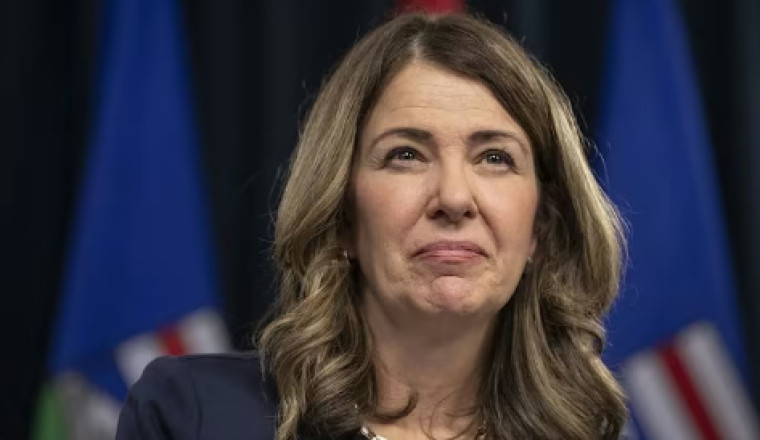
In a historic move that could reshape the future of Canada, Alberta is set to hold a referendum to determine whether the province should continue as part of the nation or pursue a second binding vote on separation. This announcement, made by Premier Danielle Smith, marks a significant moment in the ongoing discourse surrounding national unity, particularly as Alberta's independence movement gains momentum.
The decision follows a citizen-led petition advocating for separation, which garnered over 300,000 signatures earlier this year. In contrast, a separate petition urging Alberta to remain within Canada received more than 400,000 endorsements. This dichotomy reflects the growing discontent among many Albertans, who feel that their voices and needs are often overlooked by federal decision-makers in Ottawa.
Despite this rising tide of sentiment, opinion polls indicate that a majority of Albertans would likely oppose separation. The provincial referendum is scheduled for 19 October, with the question posed to voters being: "Should Alberta remain a province of Canada, or should the Government of Alberta commence the legal process required under the Canadian Constitution to hold a binding provincial referendum on whether or not Alberta should separate from Canada?"
In her televised address, Premier Smith expressed her personal stance, stating, "I will vote in favour of Alberta remaining a part of Canada," a position she affirmed is shared by her government and caucus. However, she also voiced her concerns regarding a recent court ruling that dismissed a petition for a separation referendum, citing insufficient consultation with Indigenous First Nations groups. This ruling halted the verification of petition signatures, leaving the potential for a referendum in a precarious state.
"As Premier, I will not allow a legal error by a single judge to silence the voices of hundreds of thousands of Albertans," Smith asserted. "The future of Alberta will be determined by Albertans, not the courts." She emphasised the importance of addressing this emotive issue rather than delaying it further, arguing that suppressing the voices of those who wish to be heard is unacceptable in a democratic society.
The pressure on Smith to include the independence question on the ballot has been mounting, with prominent advocates like lawyer Jeffrey Rath criticising the government’s approach. Rath expressed disappointment, suggesting that the premier's handling of the referendum question could alienate her support base.
Canada has faced challenges to its unity before, notably with Quebec's two referendums on independence, the last occurring in 1995, which resulted in a narrow "no" vote. In response to these historical tensions, the federal government established guidelines for separation, including the Clarity Act, which mandates that any province seeking to separate must do so under specific conditions, including a clear majority in favour of independence and a clearly articulated referendum question.
Prime Minister Mark Carney has reiterated that any attempt by Alberta to separate must adhere to the stipulations set forth in the Clarity Act. Should Alberta's independence movement succeed in October, it would initiate a complex and potentially protracted negotiation process with the federal government, determining the terms of separation.
The sentiment of discontent towards Ottawa has been a longstanding issue in Alberta, particularly concerning the management of its natural resources. Many Albertans believe that the federal government prioritises pro-climate legislation over the province's oil and gas industry, which has sparked frustration and a sense of marginalisation. Furthermore, there is a prevalent belief that Alberta, endowed with vast resource wealth, contributes more to the national economy than it receives in return.
While the separatist movement lacks a unified strategy, there is a shared desire for increased autonomy over resource management and political priorities. Premier Smith acknowledged these concerns during her address, asserting that the federal government has been shifting towards a more centralised system reminiscent of American governance, which she argues infringes upon provincial jurisdiction. "I categorically reject Ottawa's attempts to centralise power and call on all provincial leaders and MPs to rectify the extensive damage this has caused to our economy and national unity," she declared.
In a bid to address some of these grievances, Carney has engaged with Smith on various issues, including the long-sought construction of a pipeline to the Pacific coast. Earlier this month, the two leaders announced a climate and energy agreement that could pave the way for construction to commence as early as next year.
As Alberta stands on the brink of a potentially transformative referendum, the outcome will not only shape the province's future but could also have profound implications for the national fabric of Canada. The coming months will be crucial as Albertans prepare to voice their opinions on a matter that has become increasingly central to the province's identity and aspirations.










Comments
0 comment