


In a recent media briefing, the governor of the Bank of England issued a stark warning regarding the current state of the global energy market. He stated that "the world is facing a very big energy shock" that is expected to significantly push up prices across various sectors. This announcement comes amid rising concerns over energy supply disruptions, geopolitical tensions, and the ongoing repercussions of the COVID-19 pandemic.
Understanding the Energy Shock
The term "energy shock" refers to sudden and significant changes in energy prices, typically driven by supply and demand dynamics. The governor's remarks highlight the multifaceted nature of the current energy crisis, which has been fueled by a combination of factors, including increased demand as economies recover from the pandemic, supply chain disruptions, and geopolitical tensions in key oil and gas-producing regions.
The Bank of England's governor emphasized that this energy shock is not merely a transient issue but a complex challenge that could have lasting implications for the global economy. The rising prices of energy are expected to permeate through various sectors, affecting everything from transportation costs to consumer goods.
Implications for Inflation
One of the most pressing concerns raised by the governor is the potential impact of rising energy prices on inflation. As energy costs increase, businesses are likely to pass on these expenses to consumers, leading to higher prices for goods and services. This could exacerbate existing inflationary pressures that many economies are already grappling with.
The Bank of England has a dual mandate: to maintain price stability and to support economic growth. With inflation rates already climbing, the central bank faces the challenge of balancing these objectives in the face of an impending energy crisis. The governor indicated that policymakers would need to monitor the situation closely, as the energy shock could necessitate adjustments to monetary policy.
Geopolitical Factors at Play
The geopolitical landscape plays a significant role in the current energy crisis. Tensions in regions such as Eastern Europe and the Middle East have raised concerns about the stability of oil and gas supplies. The ongoing conflict in Ukraine, for example, has led to sanctions on Russian energy exports, resulting in price surges that ripple through global markets.
The governor pointed out that these geopolitical tensions are compounded by the ongoing transition to renewable energy sources. While the shift towards greener energy is essential for long-term sustainability, the transition has not been without its challenges. The reliance on fossil fuels remains high in many parts of the world, and any disruptions in supply can lead to immediate price shocks.
The Role of Renewable Energy
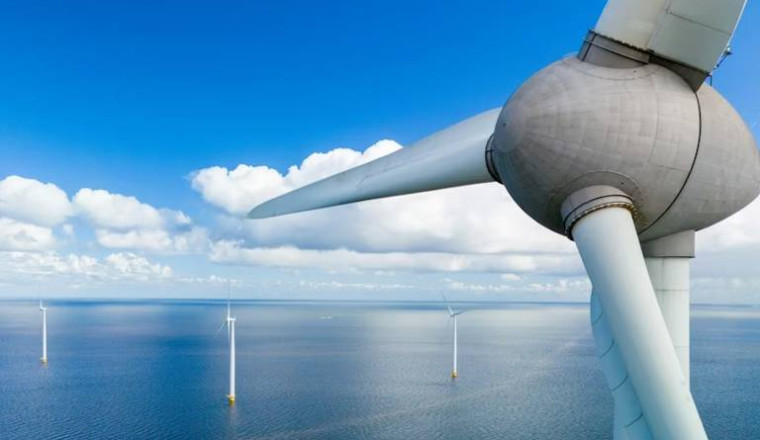
As the world grapples with the current energy crisis, the importance of investing in renewable energy sources has never been more pronounced. The governor of the Bank of England underscored the need for a diversified energy portfolio that can withstand shocks and provide stability in times of crisis. Transitioning to renewable energy not only addresses climate change concerns but also enhances energy security.
However, the transition is not instantaneous. It requires substantial investment in infrastructure, technology, and workforce development. Policymakers must navigate the complexities of balancing immediate energy needs with long-term sustainability goals. The governor's remarks serve as a reminder that while the shift to renewables is critical, it must be approached with careful planning and consideration.
Consumer Impact
The implications of the energy shock extend beyond the macroeconomic landscape; they will directly affect consumers. Households are likely to see increases in their utility bills, fuel prices, and the cost of everyday goods. This could lead to a decrease in disposable income, impacting consumer spending and overall economic growth.
The governor urged consumers to prepare for a period of heightened energy costs and to consider energy efficiency measures as a means of mitigating the impact. Governments may also need to consider policies to support vulnerable populations who may be disproportionately affected by rising energy prices.
Conclusion
The warning from the governor of the Bank of England regarding the "very big energy shock" that the world is facing is a clarion call for stakeholders at all levels. As rising energy prices threaten to disrupt economic stability and exacerbate inflation, it is crucial for policymakers, businesses, and consumers to work together to navigate the challenges ahead.
Investments in renewable energy, strategic policy responses, and a commitment to energy efficiency will be essential in mitigating the effects of this energy crisis. The path forward will require collaboration and foresight as the global community seeks to address both immediate energy needs and long-term sustainability goals.
In light of the governor's remarks, it is clear that the energy landscape is undergoing profound changes, and the implications will be felt for years to come. The time for action is now, and a coordinated response is necessary to ensure that the world can emerge from this energy shock stronger and more resilient than before.










Comments
0 comment