


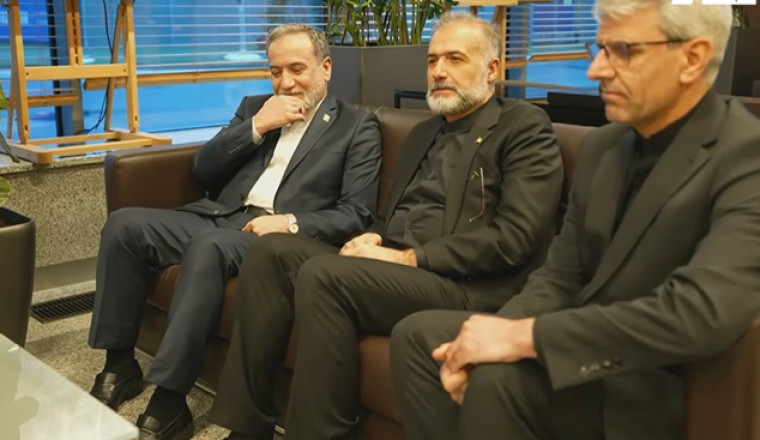
In a significant diplomatic move, Iran's Foreign Minister, Hossein Amir-Abdollahian, visited Moscow on Monday, following a weekend of heightened tensions in the Middle East. This visit comes in the wake of Israeli airstrikes in Lebanon that resulted in the tragic deaths of 14 individuals, further complicating an already volatile regional landscape.
The Israeli strikes, which targeted sites in southern Lebanon, were reportedly in response to rocket fire aimed at northern Israel. This escalation has reignited fears of a broader conflict in a region already fraught with political instability and sectarian divisions. The Iranian government condemned the attacks, describing them as a violation of Lebanon's sovereignty and a direct threat to regional peace.
During his visit to Russia, Amir-Abdollahian met with his Russian counterpart, Sergey Lavrov, to discuss the ongoing situation in Lebanon and the broader implications for regional security. The two ministers expressed their concerns over the Israeli military actions and reiterated their commitment to supporting Lebanon's sovereignty and territorial integrity. This meeting underscores the deepening ties between Iran and Russia, particularly in the context of their shared interests in the Middle East.
Iran has long been a key ally of Lebanon's Hezbollah, a militant group that has been involved in multiple conflicts with Israel. The Iranian government views its support for Hezbollah as part of its broader strategy to counter Israeli influence in the region. In recent years, Tehran has intensified its military and financial support for the group, further solidifying its role as a significant player in the Lebanese political landscape.
Amir-Abdollahian's visit to Russia also highlights the geopolitical dynamics at play, particularly in light of the ongoing conflict in Ukraine. Russia has sought to strengthen its alliances in the Middle East as it faces increasing isolation from Western nations. By fostering closer ties with Iran, Moscow aims to solidify its influence in a region that is critical for both energy security and strategic military positioning.
The discussions between the two foreign ministers also touched upon the broader implications of the Israeli strikes for the ongoing negotiations surrounding Iran's nuclear programme. The Iranian leadership has consistently framed its nuclear ambitions as a means of ensuring national security against perceived threats, particularly from Israel and the United States. The recent escalation in Lebanon could further complicate these negotiations, as regional tensions may influence the dynamics of international diplomacy.
In the wake of the Israeli strikes, there has been a chorus of condemnation from various quarters, including the Lebanese government and international human rights organisations. Calls for restraint have been made, urging all parties to engage in dialogue rather than resorting to military action. However, the reality on the ground remains precarious, with both Hezbollah and Israel poised for potential retaliation.
The Iranian foreign minister's visit to Russia serves as a reminder of the interconnectedness of regional conflicts and the necessity for diplomatic engagement. As the situation in Lebanon continues to evolve, the international community must remain vigilant and proactive in seeking solutions that prioritise peace and stability.
Moreover, the implications of Amir-Abdollahian's visit extend beyond the immediate crisis in Lebanon. The strengthening of Iran-Russia ties may embolden Tehran to pursue its regional ambitions more assertively, potentially leading to further confrontations with Israel and its allies. The delicate balance of power in the Middle East remains at stake, and the actions taken by key players in the coming weeks will be crucial in determining the trajectory of regional stability.
In conclusion, Iran's foreign minister's visit to Russia following the tragic events in Lebanon underscores the complexities of Middle Eastern geopolitics. As tensions escalate, the need for diplomatic solutions becomes increasingly urgent. The international community must engage with all stakeholders to foster dialogue and prevent further loss of life. The developments in Lebanon serve as a stark reminder of the fragility of peace in the region and the imperative for concerted efforts to address the underlying issues that fuel conflict.










Comments
0 comment