


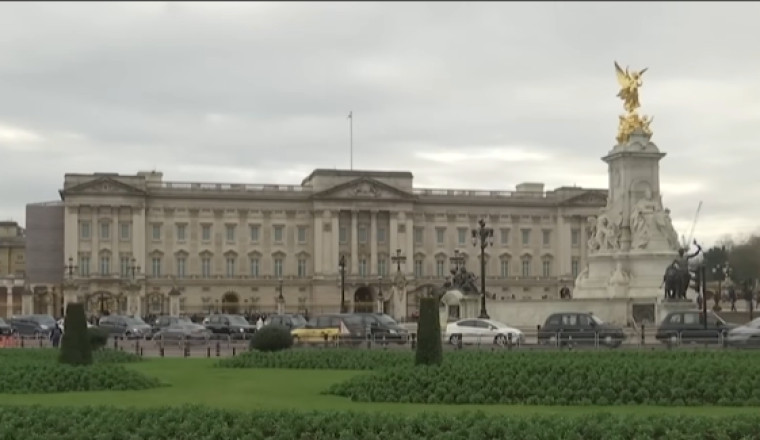
King Charles and Queen Camilla will not move into Buckingham Palace once its £369 million refurbishment is completed next year, choosing instead to remain at Clarence House for the rest of the King's reign.
The decision was made after what palace officials described as "careful consideration" and is intended to allow greater public access to Buckingham Palace while preserving its role as the ceremonial and operational centre of the monarchy.
James Chalmers, the Keeper of the Privy Purse, said the King and Queen would continue living at Clarence House but would still have access to private rooms at Buckingham Palace for daytime use and occasional overnight stays.
He described the palace as "monarchy HQ" and said it would remain the symbolic heart of royal life whenever the King is in London.
A royal spokesperson added: "The palace will continue in every traditional way to be the beating heart of the monarchy, just not its resting head."
Buckingham Palace has served as the official royal residence since Queen Victoria's accession in 1837. It remains unclear whether the Prince of Wales will choose to live there when he eventually becomes king.
The announcement came alongside the publication of the Royal Household's annual financial accounts, which revealed that King Charles paid £12.9 million in income and capital gains tax during the 2024–25 financial year on his private income and assets. Prince William paid £7.76 million over the same period.
Although neither the monarch nor the Prince of Wales is legally required to pay tax, members of the Royal Family have done so voluntarily since 1993 following public criticism over the funding of repairs to Windsor Castle after a devastating fire.
The accounts also showed that the Sovereign Grant, which funds the monarchy's official duties, is set to rise to £99.9 million from 2027–28 following a review by the Royal Trustees. The grant stood at £51.8 million in 2024–25.
The increase reflects the formula linking the grant to profits generated by the Crown Estate, an independent property business whose revenues are returned to the Treasury.
However, the figures have prompted renewed criticism from campaigners calling for greater transparency over royal finances.
Tax expert Dan Neidle argued that publishing the King's tax payment alone did not provide enough information to properly scrutinise the monarchy's finances.
"The reality is that the King is completely unlike any other taxpayer, and the boundary between personal assets and Crown assets is very wobbly," he said.
Republic, the anti-monarchy campaign group, also criticised the growing Sovereign Grant.
Its chief executive, Graham Smith, said the public was paying for an expensive refurbishment of Buckingham Palace despite the King choosing not to make it his permanent home.
He argued that the palace should instead be opened to visitors throughout the year.
Labour peer Lord Foulkes also questioned the rising cost of the monarchy, saying Parliament should play a greater role in overseeing royal spending.
He suggested that revealing the King's tax payments risked distracting attention from wider concerns about the increasing Sovereign Grant.
The financial report also confirmed that King Charles received £25.2 million from the Duchy of Lancaster during the 2025–26 financial year. The historic estate provides the reigning monarch with private income, from which official expenses and voluntary tax payments are deducted.
Meanwhile, Prince William has decided he will no longer personally benefit from the £1.5 million annual rent generated by the former Dartmoor Prison site. From the 2026–27 financial year, the money will instead be used to support regeneration projects in Princetown, the rural community neighbouring the prison.





Comments
0 comment