


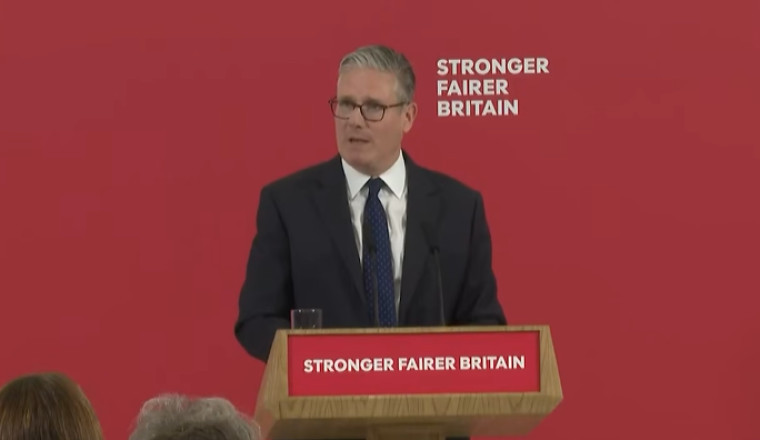
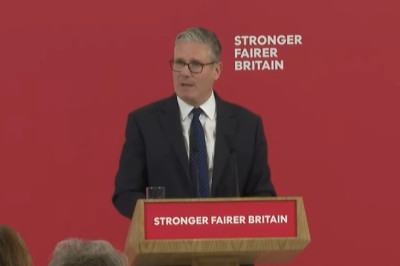
Sir Keir Starmer has announced a £15bn increase in defence spending, saying the money will be funded by trimming investment budgets across government rather than through additional borrowing.
In one of his final major decisions as prime minister, Sir Keir said some road and energy projects would no longer go ahead as planned, allowing defence spending to rise to £80bn a year by 2029.
The Treasury later confirmed that only £10.3bn in savings has so far been identified, leaving an estimated £4.7bn funding gap that Sir Keir's expected successor, Andy Burnham, would need to address in his first Autumn Budget.
The long-awaited Defence Investment Plan sets out how the government intends to strengthen the armed forces after what Sir Keir described as years of decline under the previous Conservative government. While the package exceeds the £13.5bn secured by former Defence Secretary John Healey before his resignation, it falls short of the £28bn defence chiefs had sought.
To help fund the increase, government departments will reduce their long-term investment budgets by 1%. The Department for Transport will save a further £700m, with projects including the A38 Derby Junctions and A46 Newark Bypass now under review. Meanwhile, the Department for Energy Security and Net Zero will cut £2bn from its investment budget, with further details expected later this year.
The investment plan includes more than £64bn to strengthen the UK's nuclear deterrent through new submarines and F-35A fighter jets capable of carrying nuclear weapons. It also allocates £5bn to expand the military's use of drones, more than £8bn for the Global Combat Air Programme alongside Japan and Italy, funding for six new Royal Navy warships, and further investment in autonomous aircraft and electronic warfare systems for the Royal Air Force.
Alongside the new spending, the Ministry of Defence aims to save almost £11bn by 2030 through a smaller Civil Service workforce, reduced consultancy costs and greater use of technology. Defence officials insist the additional funding will go ahead regardless of whether those savings are fully achieved.
The plan also confirms that several defence projects have been cancelled, including the Storm Shadow missile programme, a proposed satellite system and the Wildcat utility helicopter fleet, which will eventually be replaced with autonomous alternatives.
Sir Keir pressed ahead with the plan despite announcing his resignation last week. Defence Secretary Dan Jarvis confirmed he had discussed the proposals with Burnham, although it is understood the Labour leadership contender was not briefed on the most sensitive national security details.
The prime minister acknowledged the difficult choices involved, saying there were "no easy answers". Under the plan, UK defence spending is expected to reach 2.7% of GDP by 2029, with the government aiming to meet NATO's core target of 3.5% by 2035. However, no firm timetable has been set for reaching 3% of GDP, a target strongly backed by former Defence Secretary John Healey.
Reaction has been mixed. Shadow Defence Secretary James Cartlidge described the package as "too little, too late", while Liberal Democrat leader Sir Ed Davey argued that the armed forces had been "dangerously short-changed". NATO Secretary General Mark Rutte welcomed the plan as a positive step, saying stronger UK defence would benefit the entire alliance.



Comments
0 comment